How Technology Is Transforming Workplace Safety
July 18, 2022
Mastering Confined Space Safety: Essential Strategies for Industrial Leaders
July 18, 2022How Technology Is Transforming Workplace Safety
July 18, 2022Mastering Confined Space Safety: Essential Strategies for Industrial Leaders
July 18, 2022Working at height demands unwavering attention to safety. Even minor missteps can lead to serious injuries or fatalities. Whether climbing ladders, navigating scaffolding, or operating on elevated structures, each task presents unique risks that require proactive safety measures.
This guide covers the fundamentals of height safety, including regulatory compliance, fall protection planning, and equipment selection. By prioritizing prevention and proper training, you can ensure that every ascent is as secure as the descent.
1. Identifying Risks and Meeting Regulatory Standards
Falls from ladders, rooftops, or unguarded edges remain a top cause of workplace injuries. To mitigate these risks, businesses must comply with safety regulations, such as OSHA’s requirement for fall protection at elevations of four feet or higher.
Compliance involves:
✔ Identifying fall hazards in the workplace
✔ Choosing task-specific safety equipment
✔ Implementing control measures to minimize risks
2. Developing a Robust Fall Protection Plan
A well-structured fall protection plan is essential for safeguarding workers.
✔ Passive Fall Protection – Guardrails, barriers, and safety nets offer reliable, low-maintenance solutions.
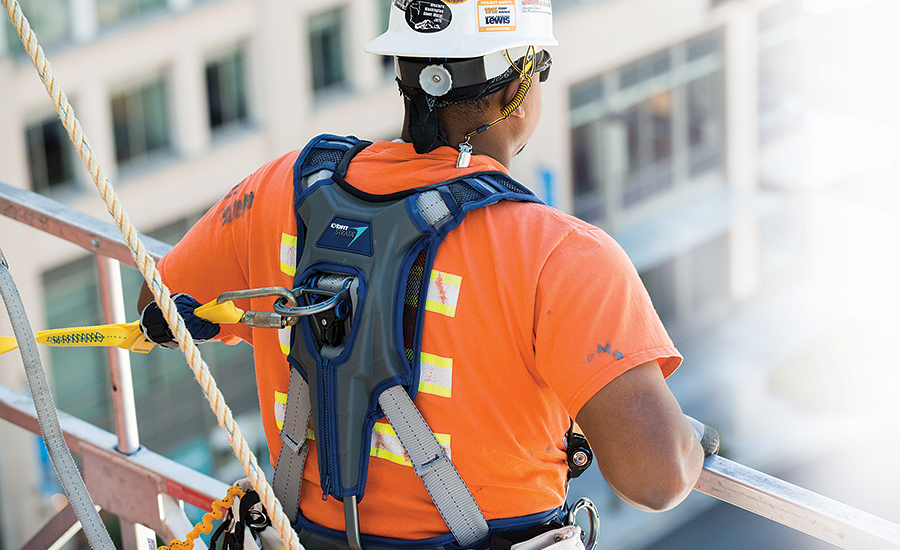
✔ Active Fall Protection – PPE such as harnesses, lanyards, and self-retracting lifelines must be selected based on the work environment.
Ensuring all safety measures align with workplace hazards maximizes protection and reduces the risk of falls.
3. Understanding Fall Distance and Equipment Performance
Fall protection is more than just wearing safety gear—it’s about knowing how it functions in real-world scenarios.
Key considerations include:
✔ Lanyard Length & Fall Clearance – Ensuring there’s enough space for a fall arrest system to engage before impact.
✔ Worker Height & System Sag – Factoring in stretch and slack within safety systems.
✔ Proper Equipment Training – Workers must be trained not only to wear PPE but to understand its limitations and how to inspect it before use.
4. Selecting and Verifying Anchor Points
Anchor points are the foundation of any fall arrest system. Each anchor must:
✔ Withstand a minimum 5,000 lbs of force per worker (OSHA standard).
✔ Be inspected regularly for wear, corrosion, or improper installation.
✔ Be strategically positioned to minimize swing hazards in the event of a fall.
Proper documentation and expert consultation ensure that anchor points provide reliable support.
5. Choosing the Safest Access Method
The choice between ladders, scaffolding, or aerial lifts should prioritize safety over convenience.
✔ Ladders – Best for quick access but must be properly secured.
✔ Scaffolding – Provides stability for extended work at height.
✔ Aerial Lifts – Offer flexibility and fall protection but require proper training for safe operation.
Selecting the right access method based on task requirements reduces risk and enhances efficiency.
Elevate Workplace Safety with the Right Tools & Training
Height safety isn’t just about following rules—it’s about creating a culture of protection and preparedness. Investing in the right equipment, training workers effectively, and adhering to safety protocols can prevent accidents and save lives.
For industrial safety products, workplace signage, and expert guidance, turn to EZSecur. Visit www.ezsecur.com to explore our solutions and elevate your safety standards today.