CSA Z432-16: Elevating Machine Safety Standards for Modern Industry
July 15, 2022
Maximizing Safety in Sheet Metal Fabrication: Proven Strategies to Reduce Workplace Risks
July 15, 2022CSA Z432-16: Elevating Machine Safety Standards for Modern Industry
July 15, 2022Maximizing Safety in Sheet Metal Fabrication: Proven Strategies to Reduce Workplace Risks
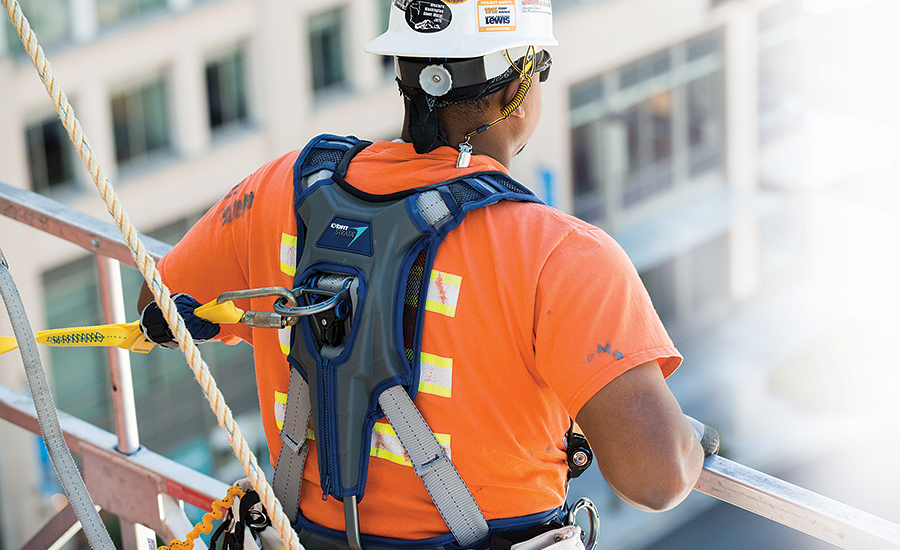
July 15, 2022In the high-stakes world of industrial operations, safety isn’t just a regulation—it’s a shared responsibility. Workers and employers alike must actively identify and mitigate risks to prevent accidents. A fundamental component of this effort is conducting thorough risk assessments, which go beyond compliance to create a safer, more efficient workplace.
Identifying Hazards: The Foundation of Workplace Safety
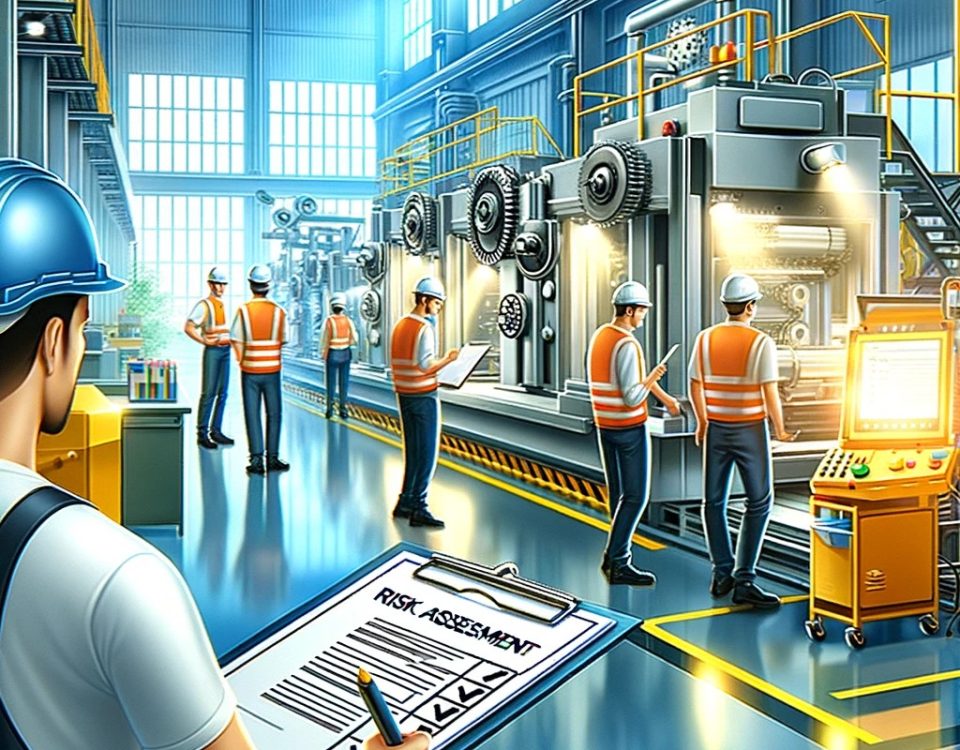
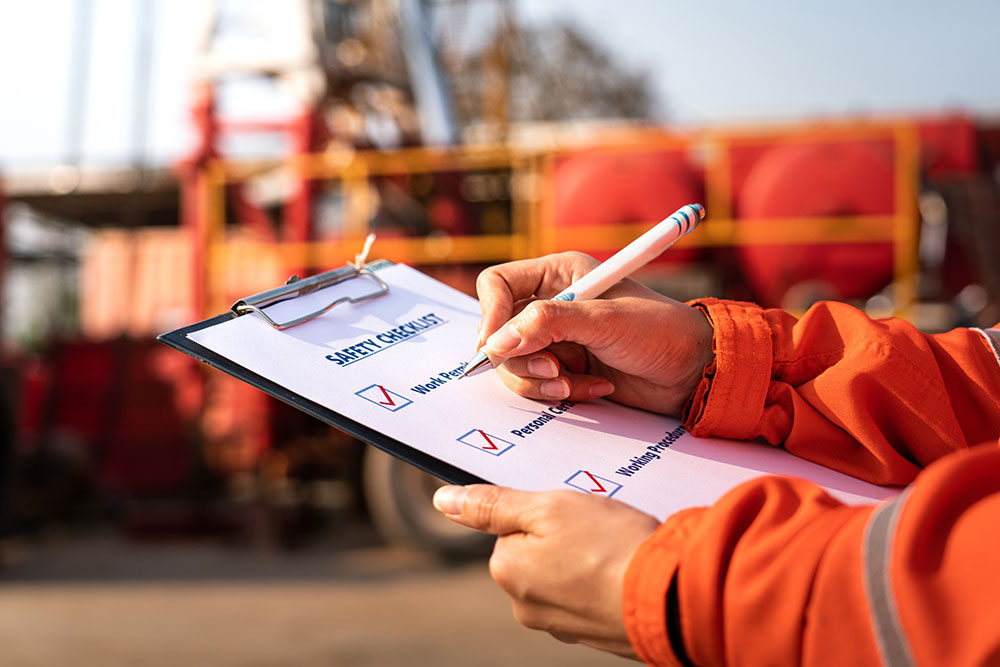
Risk assessments are essential for uncovering potential dangers in industrial settings. More than a simple checklist, they serve as a proactive tool for educating teams about workplace hazards and best practices for mitigating them. A well-executed risk assessment heightens awareness, encourages safer behaviors, and equips employees with the knowledge to respond effectively to unexpected threats.
Enhancing Safety Through Targeted Training
Effective safety training is the backbone of smooth industrial operations, and risk assessments ensure these programs remain relevant and impactful. By analyzing current safety protocols, assessments highlight gaps or outdated procedures that need revision.
From proper machinery operation to hazard reporting and safe tool storage, well-informed employees make fewer mistakes and contribute to a safer workplace. Regularly updating training based on assessment findings keeps safety standards high and risks low.
Cleanliness: A Critical Yet Overlooked Safety Factor
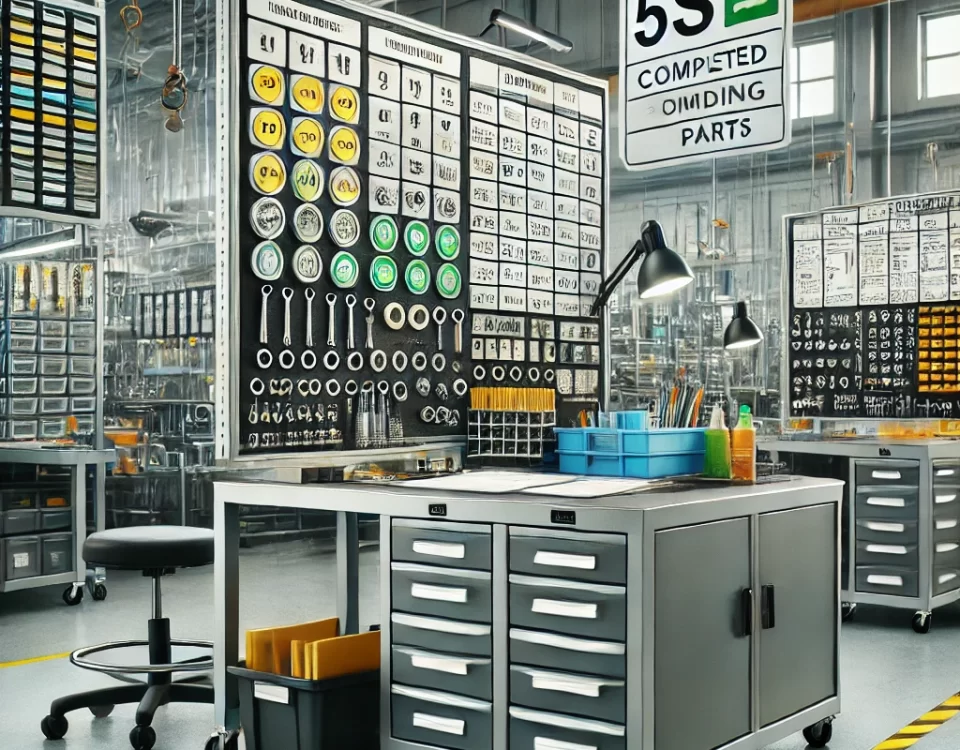
In industrial environments, cleanliness isn’t just about aesthetics—it’s a crucial safety measure. Cluttered or disorganized work areas increase the risk of slips, trips, and equipment malfunctions. Risk assessments emphasize the importance of maintaining a clean workspace, including often-overlooked factors like proper lighting, ventilation, and storage.
A well-organized work environment not only minimizes hazards but also boosts morale and productivity.
Staying Ahead of Regulatory Compliance
Compliance with safety regulations is non-negotiable, and risk assessments help businesses stay ahead of evolving standards. By identifying areas of non-compliance, companies can address issues before they lead to costly violations.
Regular assessments ensure that safety measures meet or exceed regulatory expectations, reinforcing a culture of accountability and continuous improvement.
Proactive Maintenance: Preventing Issues Before They Escalate
Risk assessments serve as a maintenance blueprint, identifying wear and tear before it leads to equipment failures. Integrating these findings into a proactive maintenance schedule helps keep machinery and facilities in peak condition, reducing downtime and preventing costly accidents.
Building a Stronger Safety Culture
Comprehensive and consistent risk assessments lay the foundation for a safety-first workplace. By focusing on hazard identification, employee training, cleanliness, regulatory compliance, and maintenance, businesses can create a safer, more efficient industrial environment.
For expert industrial safety solutions, trust EZSecur to provide the products and expertise you need. Learn more at www.ezsecur.com.